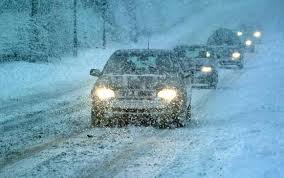
Driving in Alaska requires a different level of awareness, especially when winter conditions take over the highways. Snow packed roads, black ice, reduced daylight, and sudden weather shifts can turn an ordinary commute into a serious hazard. One of the most important safe driving habits for motorists in Alaska is maintaining an appropriate speed for conditions.
Speed limits are designed for ideal driving conditions. During icy or snowy weather, those posted limits often become too fast for safety. Reducing your speed allows more time to react to unexpected obstacles, sliding vehicles, or wildlife crossing the road. It also shortens stopping distances, which increase dramatically on slick surfaces. Even vehicles equipped with four wheel drive need extra space and slower speeds to maintain control.
Maintaining safe speed begins before you even start driving. Check road reports and weather forecasts so you know what to expect. Allow extra travel time so you are not tempted to rush. When on the road, accelerate and brake gently. Sudden movements can cause tires to lose traction. Keep a greater following distance between your vehicle and the car ahead of you. In icy conditions, that space should be several seconds longer than usual.
For drivers who receive a citation due to unsafe speed in poor weather, options may be available. Some motorists may qualify for a court referred program or traffic school to address the violation. Completing an approved course can sometimes help with point reduction or even insurance reduction, depending on eligibility and local regulations. Beyond the administrative benefits, these programs reinforce critical defensive driving skills that are especially valuable in Alaska’s challenging climate.
Practicing defensive driving techniques is also key. Stay alert for changing road textures that signal ice patches. Watch the behavior of other drivers and anticipate potential mistakes. Avoid distractions so your full attention remains on steering, braking, and monitoring surroundings. Even brief lapses in focus can lead to loss of control on slippery pavement.
Ultimately, maintaining safe speed in bad weather is about patience and preparation. Slowing down does not just protect you. It protects passengers, pedestrians, and other drivers sharing the road. A cautious approach can prevent costly tickets, vehicle damage, and serious injuries.
For drivers looking to strengthen their skills or fulfill a traffic school requirement, GoToTrafficSchool.com helps drivers stay safe, skilled, and citation-free.