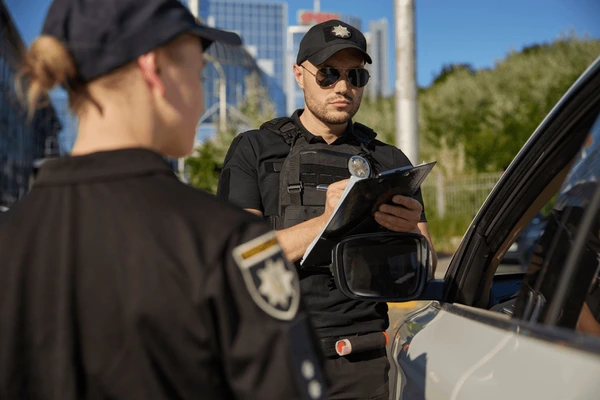
Washington drivers who receive traffic infractions are seeing clearer guidance from courts and the Department of Licensing on how traffic school fits into compliance and reinstatement. While traffic school has long been part of the system, recent emphasis is on matching drivers with the correct course based on the violation and license status. Understanding these distinctions can help drivers avoid delays and additional penalties.
If you drive in Washington, especially after a citation, this update is worth your attention.
What’s New or Being Clarified
Washington courts are reinforcing how different traffic school course options are assigned. Rather than a one size fits all approach, judges now more clearly specify whether a driver must complete an infraction course, a moving violation course, or a suspended license course.
In some cases, drivers may also be allowed or encouraged to complete a safe driving course voluntarily. The goal is to ensure that the education aligns with the behavior that led to the citation or license action.
How It Affects Licensed and Ticketed Drivers
For ticketed drivers, this clarification helps reduce confusion. If your citation includes a court ordered requirement, completing the exact course listed is mandatory. Taking the wrong class may not satisfy the court, even if the material seems similar.
Drivers cited for moving violations may be directed to a moving violation course or infraction course to address habits such as speeding or failure to obey traffic controls. Licensed drivers dealing with suspensions or reinstatement conditions may be required to complete a suspended license course before driving privileges are restored.
Paying close attention to court paperwork is essential, as deadlines and course approval requirements are strictly enforced.
Why This Matters for Compliance and Safer Driving
Washington’s approach emphasizes accountability through education. By assigning specific courses, courts aim to reduce repeat offenses and improve overall road safety.
A properly completed traffic school course can help drivers demonstrate responsibility and compliance, which courts consider when resolving cases. For many drivers, education also provides practical strategies that reduce the risk of future citations and license issues.
Choosing the correct course the first time saves drivers time, money, and unnecessary stress.
What Drivers Should Do Next
If you receive a traffic citation or court notice, review it carefully to identify the exact course requirement. Confirm whether your situation calls for an infraction course, moving violation course, suspended license course, or another traffic school option.
Enroll only in an approved program that meets Washington court standards and complete it within the required timeframe. Keep all completion records until your case is officially closed.
Even drivers without a current citation benefit from understanding how Washington’s traffic school system works. Knowing your options helps you respond quickly if circumstances change.
Traffic rules and court requirements evolve, but informed drivers stay prepared. For approved traffic school and driver education options that help Washington motorists stay compliant, drivers can rely on GoToTrafficSchool.com.