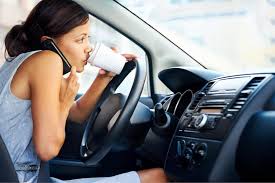
Driving in Washington D.C. requires constant awareness. The nation’s capital features heavy commuter traffic, frequent lane changes, pedestrian congestion, cyclists, buses, and rideshare vehicles all sharing limited road space. One of the most important safe driving habits for motorists in the District is avoiding distracted driving. In a dense urban environment, even a brief lapse in attention can result in a crash or citation.
Distracted driving often involves mobile phone use. Texting, checking navigation, or responding to notifications diverts attention from rapidly changing traffic patterns. In Washington D.C., where intersections are close together and traffic signals change quickly, a distracted driver may miss a sudden stop or fail to notice a pedestrian entering a crosswalk. Keeping both hands on the wheel and eyes on the road is essential.
Beyond phones, distractions can include adjusting in vehicle controls, eating, or engaging in intense conversations with passengers. In busy areas near government buildings, schools, and tourist attractions, drivers must be prepared for sudden stops, double parked vehicles, and emergency vehicles moving through traffic. Staying focused allows drivers to react smoothly instead of braking abruptly or swerving.
Another key strategy is preparing before driving. Setting navigation routes, adjusting mirrors, and selecting music before putting the vehicle in motion reduces the temptation to multitask later. If a call or message requires attention, pulling over safely is always the responsible choice.
Receiving a citation for distracted driving can carry fines and points on a driving record. In some situations, drivers may choose to enroll in traffic school or a driver improvement course to strengthen their skills and demonstrate responsibility. These programs review traffic laws, reinforce defensive driving techniques, and highlight the real consequences of inattention behind the wheel.
Some drivers also complete a 10% insurance course voluntarily to potentially reduce insurance premiums while refreshing their knowledge of safe driving principles. Educational programs provide practical strategies for managing distractions and maintaining focus in high traffic environments like Washington D.C.
Avoiding distracted driving is a habit that protects pedestrians, cyclists, passengers, and fellow motorists. In a city where traffic density and activity levels are high, alertness can make the difference between a safe commute and a costly mistake. Whether you are considering traffic school, a driver improvement course, or a 10% insurance course, GoToTrafficSchool.com helps drivers stay safe, skilled, and citation-free.