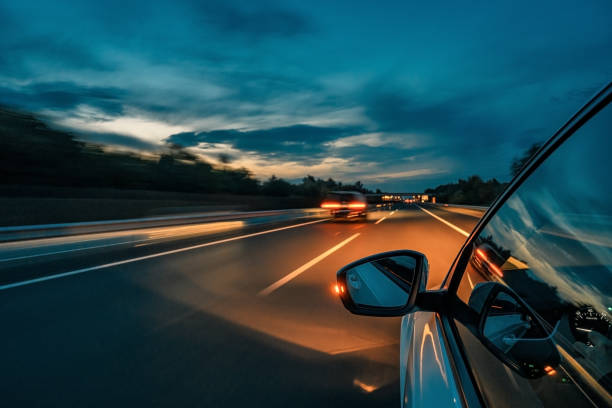
To drive safely at night, slow down when visibility is limited, use your headlights correctly, keep your windshield clean, and stay alert for fatigue, glare, pedestrians, and animals. Darkness reduces how far you can see and how much time you have to react to hazards.
Night driving requires more attention than many drivers expect. Even familiar roads can become harder to navigate when streetlights are limited or other vehicles create glare. Preparing your vehicle and adjusting your driving habits can help you manage these risks.
Why Is Driving at Night More Dangerous?
Darkness makes it harder to see road signs, pedestrians, cyclists, animals, and obstacles. Your headlights illuminate only part of the road ahead, and an unexpected hazard may appear before you have enough time to stop.
The Insurance Institute for Highway Safety (IIHS) reports that vehicles with headlights rated good in its testing had 19% fewer nighttime single-vehicle crashes and 23% fewer nighttime pedestrian crashes than vehicles with poor-rated headlights. These findings show that headlight performance can make a meaningful difference in nighttime safety.
Drivers also face greater challenges from fatigue and glare after dark. The safest approach is to maintain a speed that allows you to respond to what your headlights reveal, rather than driving as fast as you would during daylight.
How Should You Use Headlights at Night?
Your headlights help you see the road and make your vehicle visible to other drivers. Check that both headlights work, remain clean, and point in the correct direction.
Use low beams when approaching oncoming traffic or following another vehicle. High beams can help you see farther on dark roads, but switch to low beams when they could affect other drivers' vision. Follow your state's headlight laws and your vehicle manufacturer's instructions.
Before driving, check your headlights for cloudy lenses, burned-out bulbs, or damage. If the beams seem unusually low or shine into the eyes of oncoming drivers, have their alignment checked.
Automatic high-beam systems can switch between high and low beams when the vehicle detects other traffic. However, drivers must still pay attention and take control when needed.
How Can You Avoid Headlight Glare?
Glare from oncoming headlights or vehicles behind you can temporarily make it harder to see. Dirty glass, windshield streaks, and poorly aimed headlights can make the problem worse.
Use these tips to manage glare:
-
Avoid staring at oncoming headlights. Shift your gaze toward the right edge of your lane while continuing to monitor the road.
-
Keep your windshield clean. Clean both sides of the glass to reduce streaks and reflections.
-
Adjust your mirrors. Use your rearview mirror's night setting if your vehicle has one.
-
Dim interior displays. Reduce dashboard and infotainment brightness enough to limit reflections while keeping essential information readable.
-
Check your vision. If glare regularly affects your ability to drive, arrange an eye examination.
Do not wear dark sunglasses at night. If glare makes it difficult to see the road, slow down and consider stopping somewhere safe until you can continue comfortably.
How Can You Prevent Fatigue While Driving at Night?
Fatigue can slow reaction times, reduce attention, and make it harder to respond to unexpected hazards. Driving during your usual sleeping hours can make staying alert even more difficult.
Before a nighttime trip, get adequate sleep and plan breaks for longer journeys. Avoid starting a drive when you already feel tired, especially after a long workday.
Watch for warning signs such as repeated yawning, heavy eyelids, difficulty remembering the last few miles, drifting between lanes, or missing road signs.
If you notice these signs, do not rely on loud music, open windows, or caffeine alone to keep driving. Find a safe place to stop and rest. If necessary, arrange another driver or delay the trip until you are rested.
How Can You Watch for Animals and Pedestrians?
Animals may cross roads unexpectedly, especially near wooded areas, fields, and roads with wildlife warning signs. Pedestrians and cyclists can also be difficult to see when they wear dark clothing or travel along poorly lit roads.
Scan the road ahead and check both shoulders as you drive. Reduce your speed in areas where animals may cross, particularly around dawn and dusk when many animals are more active.
Use high beams on dark roads when no oncoming or nearby traffic would be affected. The additional light may help you notice animals sooner.
If an animal enters your path, brake firmly when needed and maintain control of your vehicle. Avoid sharp swerves that could send you into oncoming traffic, a tree, or another hazard. If a collision appears unavoidable, prioritize keeping control of the vehicle.
What Driving Technology Can Help at Night?
Modern vehicles may offer technology that supports nighttime driving, but these features do not replace careful driving.
-
Automatic high beams: Switch between high and low beams based on detected lighting or traffic conditions.
-
Adaptive headlights: On equipped vehicles, adjust the direction of the light to improve illumination around curves.
-
Automatic emergency braking: Some systems can warn of an imminent collision or apply the brakes in certain situations.
-
Lane departure warnings: Some vehicles alert drivers when they drift out of a lane without signaling.
-
Rearview cameras and parking sensors: These can help when maneuvering in dark parking areas, though they do not replace checking your surroundings.
Availability and performance vary by vehicle. Sensors and cameras may have limitations in darkness, bad weather, or when road markings are unclear. Learn how your vehicle's features work by reading the owner's manual, and never assume a safety system will detect every hazard.
What Other Habits Make Night Driving Safer?
Good preparation can reduce the risks associated with driving after dark.
Before leaving, clean your windows and mirrors, check your lights, and set your navigation route. Keep your phone out of reach and avoid adjusting vehicle controls while moving.
On the road, leave extra following distance and slow down when you cannot see far ahead. Watch for drivers who may be tired or impaired, and avoid sudden braking or lane changes.
If rain, fog, glare, or darkness makes it impossible to see safely, find a safe place to stop. Continuing at your usual speed when visibility is poor leaves you less time to react.
People Also Ask
Should you drive with high beams at night?
Use high beams on dark roads when appropriate and when they will not affect other drivers. Switch to low beams for oncoming traffic and when following another vehicle, in accordance with applicable laws.
How can you reduce glare from oncoming headlights?
Avoid looking directly at the lights, keep your windshield clean, adjust your mirrors, and ensure your own headlights are properly aimed. If glare seriously limits your vision, slow down or stop somewhere safe.
What should you do if you feel sleepy while driving at night?
Stop in a safe location and rest. Do not depend on music, fresh air, or caffeine as a substitute for sleep. If you cannot stay alert, delay the trip or arrange another driver.
Are automatic headlights enough to keep you safe?
No. Automatic headlights can help with lighting, but they do not eliminate nighttime hazards. Check that your lights are working, use them appropriately, and adjust your speed to visibility and road conditions.
Where to Verify Current Information
Use these resources for additional nighttime driving safety guidance:
Bottom Line
Driving at night requires preparation, good visibility, and enough time to respond to hazards. Check your headlights, manage glare, watch for animals and pedestrians, and never ignore signs of fatigue.
Technology can support safer driving, but it cannot replace an alert driver who adjusts speed to conditions. When you cannot see clearly or stay awake, stop somewhere safe and continue only when conditions allow.
Sources & References
-
Insurance Institute for Highway Safety. Headlights.
-
Insurance Institute for Highway Safety. Headlight Testing.
-
AAA Club Alliance. Bright Headlights Are Blinding Drivers: Tips for Safer Night Driving.
-
AAA Exchange. Tips to Avoid Animal-Vehicle Collisions.
-
GoToTrafficSchool. Official Website.