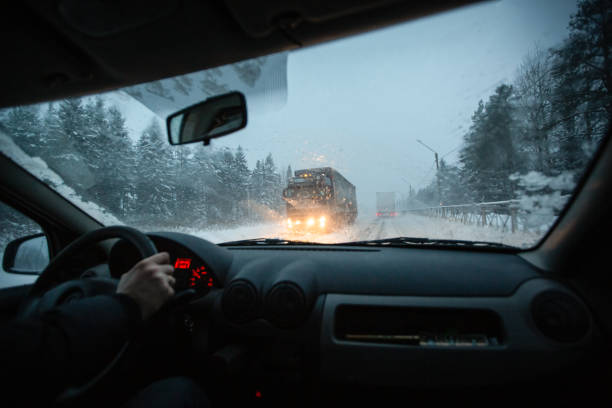
Minnesota winters are known for snow packed roads, icy intersections, and long periods of freezing temperatures. From Minneapolis city streets to rural highways across the state, one of the most important safe driving habits is practicing defensive driving during winter conditions. Staying alert, adjusting speed, and anticipating hazards can make the difference between a safe trip and a serious crash.
Snow and ice dramatically change how vehicles respond. Traction is reduced, stopping distances increase, and sudden maneuvers can lead to skidding. Defensive driving begins with slowing down well below the posted speed limit when conditions require it. Even four wheel drive vehicles cannot stop quickly on icy pavement. Smooth acceleration and gentle braking help maintain control.
Following distance is another critical factor. On dry roads, drivers may leave a few seconds of space between vehicles. In Minnesota winters, that distance should increase significantly. Extra space provides time to react if traffic slows unexpectedly or if a vehicle ahead begins to slide. Defensive drivers also scan the road far ahead to identify potential trouble spots such as intersections, hills, and shaded areas where ice may linger.
Bridges and overpasses freeze more quickly than surrounding pavement. Black ice can form with little warning, especially during early morning or evening hours. Approaching these areas with reduced speed and steady steering helps prevent loss of control. In addition, clearing all snow and ice from windows, mirrors, and lights ensures maximum visibility.
Education can reinforce these safe habits. Drivers who want to sharpen their skills may consider an accident prevention course that focuses on winter driving strategies and hazard awareness. For those new to winter travel, a first time crash prevention program can introduce practical techniques for maintaining control on slippery roads. Experienced motorists may benefit from a refresher crash prevention class to update their knowledge and review defensive strategies.
Some programs are structured as an 8 hour accident course that covers a range of safety topics in depth. Others may offer a 4 hour accident refresher designed to reinforce key concepts in a shorter format. These educational options emphasize proactive decision making and safe speed management in challenging conditions.
By committing to defensive winter driving, Minnesota motorists protect themselves and others from unnecessary risk. Slowing down, increasing following distance, and staying alert are simple habits that prevent crashes and save lives. Whether you are enrolling in a first time crash prevention program or completing a refresher crash prevention course, GoToTrafficSchool.com helps drivers stay safe, skilled, and citation-free.