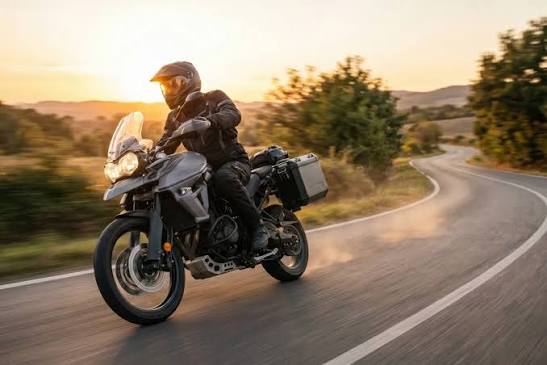
Motorcycle safety for beginners starts with wearing protective gear, learning to balance and control the bike, practicing smooth braking, and staying visible to other drivers. New riders should also complete hands-on motorcycle safety training and learn their state's licensing requirements before riding on public roads.
Motorcycles require different skills from passenger cars. Riders have less physical protection during a crash, and other drivers may have difficulty noticing them in traffic. Building safe habits before riding independently can help reduce these risks.
Why Is Motorcycle Safety Important for Beginners?
Motorcycle riders face serious risks because they do not have the same protective structure as people inside cars.
According to the National Highway Traffic Safety Administration (NHTSA), 6,228 motorcyclists died in traffic crashes in 2024, representing 16% of all traffic fatalities. NHTSA data for 2023 also showed that the motorcyclist fatality rate per vehicle mile traveled was almost 28 times the rate for passenger car occupants.
These figures highlight why beginners should not rely on confidence alone. Riders need practical skills, appropriate equipment, and a clear understanding of traffic hazards.
What Safety Gear Should Beginner Motorcycle Riders Wear?
Protective gear helps reduce the risk of injury and protects riders from weather, road debris, and abrasion.
Choose a Properly Fitted Helmet
Wear a motorcycle helmet that meets the applicable U.S. Department of Transportation safety standard. Look for the DOT certification label and choose a helmet that fits securely without excessive movement.
A full-face helmet provides coverage for the head and chin. Use a properly secured helmet every time you ride, even on short trips.
Learn more from NHTSA's motorcycle helmet guide.
Wear Protective Clothing
Beginners should wear:
-
A motorcycle jacket and pants made from abrasion-resistant materials.
-
Full-finger gloves designed for riding.
-
Over-the-ankle motorcycle boots with secure closures and sturdy soles.
-
Eye protection, such as a helmet visor or suitable riding goggles.
-
Bright or reflective clothing to improve visibility.
Regular sneakers, shorts, and thin casual clothing offer limited protection during a fall. Choose gear designed for motorcycling rather than assuming ordinary clothing will provide enough coverage.
How Can Beginners Improve Motorcycle Balance and Control?
Balance improves through practice. New riders should start in a controlled, open area with qualified instruction before entering traffic.
Learn where the controls are and how the clutch, throttle, brakes, and gear shifter work. Practice starting, stopping, turning, and moving at low speeds until these actions become more consistent.
Keep your eyes directed toward your intended path rather than staring at the ground directly in front of the motorcycle. Look through turns and make smooth steering adjustments.
Choose a motorcycle that fits your height, strength, and experience. You should be able to reach the controls comfortably and support the motorcycle when stopped. A bike that feels too heavy or difficult to control can make basic maneuvers harder to learn.
Do not rush into busy traffic, sharp turns, or high-speed riding before developing reliable control.
How Should Beginners Brake on a Motorcycle?
Motorcycle braking requires coordination and practice. Riders generally use both the front and rear brakes according to the motorcycle's design and the situation.
Apply the brakes progressively rather than grabbing the controls abruptly. Sudden braking can upset the motorcycle's balance or cause a tire to lose traction, especially on wet or slippery pavement.
Practice controlled stops in a safe training environment. Learn how your motorcycle responds at different speeds and how to stop without making sudden steering movements.
Keep these habits in mind:
-
Scan ahead for intersections, stopped traffic, and road hazards.
-
Leave enough following distance to stop safely.
-
Reduce speed before entering a curve.
-
Avoid hard braking while leaned over whenever possible.
-
Practice emergency braking under qualified supervision.
Motorcycles differ in their braking systems and controls. Follow the manufacturer's instructions and learn the correct techniques for your specific bike.
How Can Motorcycle Riders Stay Visible?
Other drivers may overlook a motorcycle because of its smaller profile. Never assume a driver has seen you just because you are in a visible position.
Use your headlight, wear bright or reflective gear, and position yourself where other road users can see you when it is safe and legal. Signal before turning or changing lanes, and check your surroundings before moving.
Avoid lingering in another vehicle's blind spot. Leave room to respond if a driver changes lanes unexpectedly, and be especially cautious at intersections where vehicles may turn across your path.
Ride defensively by anticipating mistakes other drivers might make. Maintain a safe following distance, adjust your speed to traffic and weather, and avoid weaving between vehicles.
Why Should Beginners Take a Motorcycle Safety Course?
A motorcycle safety course gives new riders an opportunity to learn essential skills with qualified instruction before relying on those skills in traffic.
The Motorcycle Safety Foundation's Basic RiderCourse covers motorcycle controls, starting and stopping, shifting, turning, and emergency maneuvers. Its training combines learning activities with hands-on riding practice.
A structured course can help beginners identify mistakes, improve control, and understand common riding hazards. Depending on the state and course, successful completion may also help satisfy certain motorcycle licensing test requirements. Check with your state motor vehicle agency before enrolling to confirm what training qualifies.
You can also visit GoToTrafficSchool to explore available traffic safety education options. Confirm that any course you choose specifically meets your motorcycle training or licensing needs. A general traffic school course should not be assumed to replace required hands-on motorcycle training.
People Also Ask
Is a motorcycle safety course necessary for beginners?
A course is strongly recommended because it provides structured instruction and supervised practice. Some states require specific training or testing for certain riders or license types, so check local requirements.
What is the most important motorcycle safety gear?
A properly fitted, DOT-compliant helmet is essential. A complete set of protective clothing, gloves, boots, and eye protection also helps reduce injury risks.
How can beginners avoid losing balance on a motorcycle?
Practice starts, stops, turns, and low-speed maneuvers in a controlled environment. Use smooth inputs, look toward your intended path, and get feedback from a qualified instructor.
Is it safe to ride a motorcycle in heavy rain?
Rain reduces traction and visibility. If conditions become unsafe, postpone the ride or stop in a safe location. If you must ride in light rain, reduce speed, increase following distance, and avoid sudden braking or steering.
Where to Verify Current Information
Use these resources to check motorcycle safety guidance and training options:
-
NHTSA — Motorcycle Safety: Federal motorcycle safety guidance and crash statistics.
-
NHTSA — Choose the Right Motorcycle Helmet: Helmet selection and safety information.
-
Motorcycle Safety Foundation — Basic RiderCourse: Beginner rider education and hands-on training.
-
GoToTrafficSchool: Explore available traffic safety education options.
Bottom Line
Motorcycle safety for beginners depends on preparation, protective gear, practical skills, and defensive riding habits. Wear a properly fitted helmet, practice balance and braking, make yourself visible, and leave enough space to react to hazards.
Before riding independently, consider a recognized motorcycle safety course and confirm your state's licensing requirements. Building strong habits from the beginning can help you become a more confident and responsible rider.
Sources & References
-
National Highway Traffic Safety Administration. Motorcycle Safety.
-
National Highway Traffic Safety Administration. Choose the Right Motorcycle Helmet.
-
National Highway Traffic Safety Administration. Strategies to Increase Rider Visibility and Use of Protective Clothing.
-
Motorcycle Safety Foundation. Basic RiderCourse.
-
GoToTrafficSchool. Official Website.