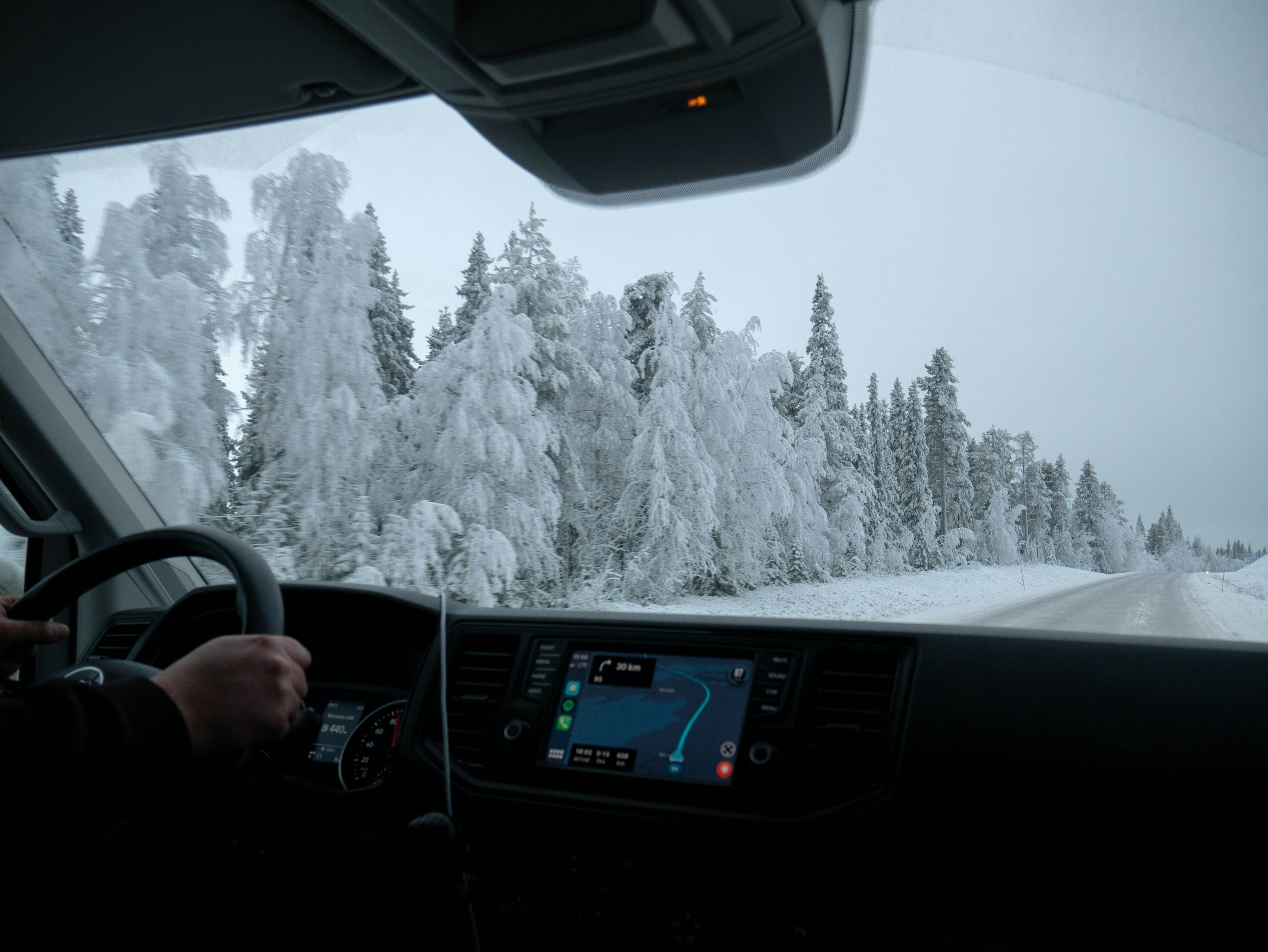
Driving in Alaska demands special attention to speed, especially when weather and road conditions change quickly. Snow, ice, fog, and long periods of darkness can reduce traction and visibility with little warning. A safe driving habit that protects everyone on the road is adjusting your speed to match conditions rather than relying on posted limits alone.
In winter months, black ice often forms on bridges, shaded curves, and coastal roads. Even experienced drivers can lose control if they travel too fast for the surface. Slowing down increases reaction time, shortens stopping distance, and allows smoother steering and braking. In rural areas where wildlife crossings are common, reduced speed also helps drivers avoid sudden encounters with moose or caribou.
Safe speed choices are a key part of defensive driving techniques taught in traffic school programs. For drivers who are court referred after a citation, or those seeking point reduction or insurance reduction, learning how speed affects control on icy roads can prevent repeat violations. These courses emphasize planning ahead, scanning for hazards, and accepting that arriving a few minutes later is far better than risking a crash.
By making speed adjustment a daily habit, Alaska drivers protect themselves, their passengers, and their communities. Remember that GoToTrafficSchool.com helps drivers stay safe, skilled, and citation-free.