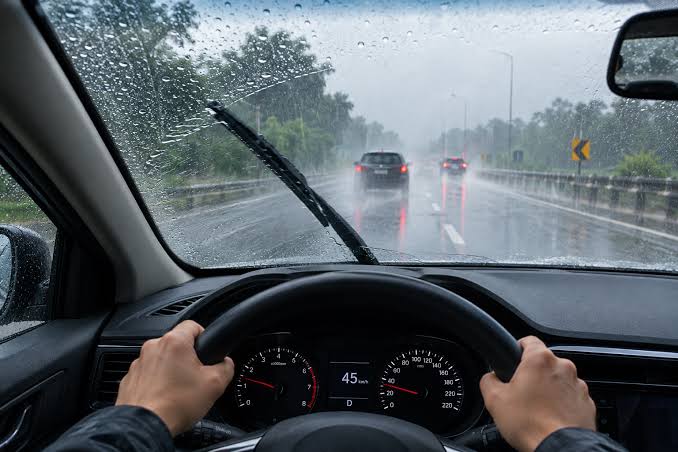
If your car starts skidding or hydroplaning, stay calm, ease off the accelerator, avoid sudden steering movements, and look where you want the vehicle to go. Do not slam on the brakes. Once your tires regain traction, make gentle adjustments to regain control.
Skidding can happen on wet pavement, ice, loose gravel, or other slippery surfaces. Hydroplaning is a specific type of traction loss that occurs when water builds up between your tires and the road. Knowing the difference—and how to respond—can help you avoid a crash.
What Causes a Car to Skid?
A skid happens when your tires lose some or all of their grip on the road. When that happens, your vehicle may slide sideways, drift out of its lane, or fail to turn as expected.
Common causes include:
-
Driving too fast: Your tires may not maintain traction when you take a curve or encounter a slippery surface at excessive speed.
-
Hard braking: Sudden braking can cause wheels to lose traction, especially on wet or icy roads.
-
Sharp steering: Turning the wheel abruptly can make your tires slide instead of following the intended path.
-
Rapid acceleration: Applying too much power can cause the drive wheels to spin.
-
Poor road conditions: Rain, standing water, ice, snow, loose gravel, and oil-covered pavement can reduce traction.
-
Worn tires: Tires with insufficient tread may struggle to grip the road and move water away from their contact surfaces.
A vehicle does not need to be traveling at highway speed to skid. A sudden maneuver on a slippery road can cause a loss of control even at a lower speed.
What Is Hydroplaning?
Hydroplaning occurs when water builds up between your tires and the road, causing the tires to lose contact with the pavement. Your ability to steer, brake, and control the vehicle may be reduced.
It becomes more likely when you drive quickly through standing water, encounter heavy rain, or use tires with worn tread. Water can also collect in ruts and low spots on the road.
You may notice signs such as:
-
The steering wheel suddenly feels unusually light.
-
The vehicle drifts or slides without responding normally to steering.
-
The engine speed changes as the tires lose their grip.
-
The vehicle feels as though it is floating across the water.
Hydroplaning can happen quickly, leaving little time to react. The best protection is to reduce your speed before reaching standing water.
Source: AAA — Wet Weather Driving Tips
What Should You Do If Your Car Starts Hydroplaning?
If your car begins hydroplaning, avoid sudden movements and allow your vehicle to slow gradually.
1. Ease Off the Accelerator
Take your foot off the gas pedal smoothly. Do not accelerate to try to regain control.
Allowing the vehicle to slow naturally gives the tires a better chance to reconnect with the road. Avoid making abrupt changes in speed.
2. Keep the Steering Steady
Hold the steering wheel firmly and keep the vehicle pointed in your intended direction. Make small, gentle steering corrections if needed.
Do not jerk the wheel or make a sharp turn to escape the water. Sudden steering can cause the vehicle to skid when the tires regain traction.
3. Avoid Sudden Braking
Do not slam on the brakes while hydroplaning. Abrupt braking can upset the vehicle's balance and make it harder to maintain control.
If you need to brake because of an immediate hazard, follow your vehicle's braking guidance. With anti-lock brakes (ABS), apply firm, steady pressure to the brake pedal rather than pumping it.
4. Wait for Traction to Return
Continue looking in the direction you want to travel. As the vehicle slows and the tires regain contact with the road, make gentle steering adjustments.
Once you have control again, reduce your speed and reassess the road conditions. If heavy rain or standing water continues, consider stopping somewhere safe until conditions improve.
How Should You Recover From a Skid?
Not every skid happens because of water. Your response may depend on which tires lose traction and how the vehicle begins to slide.
If the rear of your vehicle slides sideways, avoid panic and keep your eyes on the path you want to follow. Steer smoothly in the direction you want the vehicle to travel, and avoid overcorrecting. As the vehicle straightens, adjust the steering wheel gently to prevent a slide in the opposite direction.
If the front tires lose traction, the vehicle may continue moving forward even when you turn the steering wheel. Ease off the accelerator, avoid sudden braking, and wait for the front tires to regain grip before making gentle steering corrections.
Remember these principles:
-
Look toward your intended path, not at the obstacle you fear hitting.
-
Avoid abrupt steering, acceleration, and braking.
-
Do not overcorrect when the vehicle begins to straighten.
-
If emergency braking is necessary, use your vehicle's braking system correctly.
ABS can help prevent wheel lock during braking, but it cannot create traction where the road offers very little grip.
For additional guidance, see AAA's advice on recovering from a skid.
How Can You Prevent Skidding and Hydroplaning?
You can reduce your risk by preparing your vehicle and adjusting your driving to match road conditions.
Check Your Tires
Inspect your tires regularly for tread wear, damage, and proper inflation. Follow the pressure recommended by your vehicle manufacturer.
Adequate tread helps tires channel water away from the road-contact area. If your tires are worn or damaged, have them inspected and replaced when necessary.
Slow Down in Rain
Wet roads reduce traction and can increase stopping distances. Drive below the posted speed limit when conditions require it, and slow down before entering curves or approaching intersections.
Avoid driving through large puddles or flooded roads. Water depth can be difficult to judge, and floodwater may hide hazards or cause your vehicle to stall.
Increase Your Following Distance
Leave more space between your vehicle and the one ahead. Extra distance gives you more time to respond to sudden braking and helps you avoid abrupt maneuvers.
Begin slowing down early for turns, traffic lights, and stopped vehicles.
Avoid Cruise Control on Slippery Roads
Avoid cruise control in heavy rain or on slippery surfaces. You need to manage your speed directly and respond quickly when traction changes.
Maintain Your Vehicle
Keep your tires, brakes, windshield wipers, and lights in good condition. Clear visibility helps you identify standing water and other hazards before reaching them.
If the weather becomes too dangerous, delay your trip or stop at a safe location. No driving technique can eliminate every risk on a flooded or severely slippery road.
People Also Ask
Should you brake when your car hydroplanes?
Avoid sudden braking while hydroplaning. Ease off the accelerator, keep your steering steady, and let the vehicle slow gradually. If you must brake to avoid a collision, use your vehicle's braking system appropriately.
Should you steer straight when hydroplaning?
Generally, keep the vehicle pointed in your intended direction and avoid sharp steering movements. Make only gentle corrections when needed. Sudden turns can make the vehicle harder to control.
Can new tires prevent hydroplaning?
Good tires with adequate tread can reduce the risk, but they cannot eliminate hydroplaning. Speed, water depth, road conditions, and tire condition all affect traction.
Does ABS prevent a car from skidding?
ABS helps prevent wheels from locking during braking, which can help you maintain steering control. It does not prevent every skid or guarantee traction on wet, icy, or flooded roads.
Where to Verify Current Information
For additional driving safety guidance, consult these resources:
-
AAA — Wet Weather Driving Tips: Prevention and response guidance for driving on wet roads.
-
AAA — What to Do If Your Car Starts to Skid: Practical advice for regaining control during a skid.
-
NHTSA — Tire Safety: Information about tire condition, maintenance, and safety.
Bottom Line
Skidding and hydroplaning happen when your tires lose traction, but you can reduce the risk by slowing down, maintaining your tires, and avoiding sudden movements.
If your vehicle starts sliding, ease off the accelerator, keep your steering controlled, and avoid slamming on the brakes. Wait for traction to return before making gentle corrections. If road conditions become unsafe, find a safe place to stop rather than continuing through dangerous weather.
Sources & References
-
AAA Exchange. Wet Weather Driving Tips.
-
AAA Your Network. What to Do If Your Car Starts to Skid.
-
National Highway Traffic Safety Administration. Tire Safety.
-
GoToTrafficSchool. Official Website.