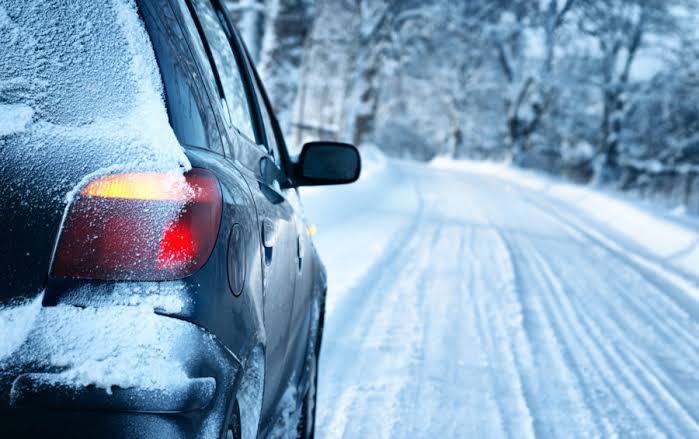
Winter driving safety starts with slowing down, checking your tires, increasing your following distance, and preparing your vehicle before you leave. Snow, ice, and poor visibility make it harder to control your car and stop in time, even when you follow the posted speed limit.
The safest choice may be to delay your trip if conditions are dangerous. If you must drive, prepare for changing road conditions and know how to respond if your vehicle starts to skid.
How Should You Prepare Your Car for Winter Driving?
A little preparation can help prevent breakdowns and improve your control on slippery roads.
Check Your Tires
Tires provide the traction your vehicle needs to accelerate, turn, and stop. Cold temperatures can lower tire pressure, so check all four tires when they are cold. Follow the pressure recommended in your owner's manual or on the label inside the driver's door frame.
Inspect the tread and sidewalls for damage or excessive wear. Tires with worn tread have less ability to grip slippery surfaces.
If you regularly drive in areas with heavy snow or ice, consider winter tires. They are designed to provide better traction in cold conditions than many all-season tires. Check your vehicle manufacturer's recommendations and local requirements before choosing tires or traction devices.
Source: NHTSA — Tire Safety
Check Your Battery, Lights, and Wipers
Cold weather can reduce battery performance. Have your battery checked if it struggles to start the engine or is nearing the end of its service life.
Before driving, make sure your headlights, brake lights, turn signals, windshield wipers, and defrosters work properly. Fill the windshield washer reservoir with fluid suitable for winter conditions.
Clear snow and ice from your windshield, windows, mirrors, headlights, taillights, and roof. Snow left on your vehicle can obstruct your view or blow onto other vehicles.
How Should You Drive on Snow and Ice?
The most important rule is to slow down and make every movement gradually. Sudden acceleration, hard braking, and sharp turns can cause your tires to lose traction.
Reduce Your Speed and Increase Following Distance
Posted speed limits do not guarantee a safe speed in winter weather. Drive more slowly when roads are slippery, and leave more space between your vehicle and the one ahead.
On ice, your car may need much more distance to stop than it does on dry pavement. Avoid following closely, rushing through intersections, or making sudden lane changes.
Watch for bridges, overpasses, shaded areas, and other spots where ice can form even when nearby pavement looks clear. Black ice can be difficult to see because it often looks like ordinary wet pavement.
Brake Gently and Plan Ahead
Look farther down the road so you can anticipate traffic lights, turns, stopped vehicles, and changes in traffic flow. Start slowing down early instead of waiting until the last moment.
If your vehicle has an anti-lock braking system (ABS), apply firm, steady pressure to the brake pedal during an emergency stop. Do not pump the brakes on an ABS-equipped vehicle. The system helps prevent the wheels from locking while you brake.
Without ABS, follow your vehicle manufacturer's guidance for braking on slippery surfaces. Avoid sudden pedal movements that could cause the wheels to lock and the vehicle to slide.
Source: NHTSA — Winter Weather Driving Tips
How Can You Improve Visibility in Snow?
Snow, blowing ice, fog, and road spray can make it difficult to see other vehicles and road markings.
Before leaving, remove all snow and ice from the vehicle and clear every window. Turn on your headlights when visibility is reduced, and use your defroster to keep the windows clear.
Keep extra windshield washer fluid available because slush and road salt can quickly cover the windshield. Replace worn wiper blades before winter weather arrives.
If snowfall becomes so heavy that you cannot see the road safely, find a safe place to pull completely off the roadway and stop. Avoid stopping in an active traffic lane. If you must stop near traffic, make your vehicle visible and follow local roadside safety guidance.
If conditions remain dangerous, wait until visibility improves before continuing.
What Should You Keep in a Winter Car Emergency Kit?
A winter emergency kit can help you stay safer if your car breaks down or you become stranded.
Keep these items in your vehicle:
-
Ice scraper and snow brush.
-
Small shovel and traction material, such as sand.
-
Jumper cables or a suitable battery booster.
-
Flashlight and spare batteries.
-
Warm clothing, gloves, hats, and blankets.
-
Drinking water and nonperishable snacks.
-
First-aid kit and necessary medications.
-
Phone charger or power bank.
-
Reflective warning devices.
-
Basic tools and any essential vehicle-specific supplies.
Check your kit before winter and replace expired or damaged items. Keep your fuel tank reasonably full, or maintain an appropriate charge in an electric vehicle, especially before a long trip.
Check weather forecasts, road closures, and travel advisories before leaving. Tell someone your route and expected arrival time if you are traveling a long distance.
Source: National Weather Service — Winter Weather Safety
What Should You Do If Your Car Skids on Ice?
A skid happens when your tires lose traction and the vehicle no longer responds as expected. It can be frightening, but sudden reactions can make the situation worse.
If your vehicle starts to skid:
-
Stay calm. Avoid jerking the steering wheel or making sudden movements.
-
Ease off the accelerator. Allow the vehicle to slow naturally.
-
Look and steer where you want the front of the car to go. Make smooth steering adjustments rather than overcorrecting.
-
Avoid slamming on the brakes. If your vehicle has ABS and you need to brake, apply firm, steady pressure.
-
Regain control gradually. Once the tires regain traction, continue slowly and reassess whether conditions are safe enough to proceed.
The correct response can depend on the type of skid, your vehicle, and its safety systems. Practice winter driving techniques only in a controlled setting with qualified instruction—not on public roads during a storm.
If you cannot regain control or conditions remain unsafe, stop driving as soon as you can do so safely.
Source: National Weather Service — What to Do If You're Caught in a Winter Storm
What If Your Vehicle Gets Stuck or Breaks Down?
If you become stranded in winter weather, stay with your vehicle unless there is an immediate danger that makes leaving necessary. Your car can provide shelter and help rescuers locate you.
Call roadside assistance or emergency services if needed. Make your vehicle visible using appropriate warning devices, and keep the exhaust pipe clear of snow before running the engine.
If you run the engine for warmth, do so only intermittently and ensure the exhaust is unobstructed. Carbon monoxide can build up inside or around a vehicle, so never run the engine in an enclosed space.
Follow emergency instructions and conserve your phone battery while waiting for help.
People Also Ask
Should you use cruise control on icy roads?
No. Avoid cruise control on snow, ice, and other slippery surfaces. Maintain direct control of your speed and be ready to respond to changing traction.
Is four-wheel drive enough to make winter driving safe?
No. Four-wheel drive can help a vehicle move on slippery surfaces, but it does not eliminate the risk of skidding or shorten braking distance on ice. Tires, speed, following distance, and driver decisions still matter.
Should you drive during a winter storm?
Avoid unnecessary travel during severe winter weather. If officials advise people to stay off the roads, follow that guidance. If you must travel, check conditions first and carry emergency supplies.
Where to Verify Current Information
Before winter travel, check these official resources:
-
NHTSA — Winter Weather Driving Tips: Vehicle preparation, tire checks, emergency supplies, and winter driving techniques.
-
NHTSA — Tire Safety: Tire pressure, tread, and tire selection guidance.
-
National Weather Service — Winter Weather Safety: Winter weather preparedness and safety information.
-
National Weather Service — Winter Storm Safety: Guidance for drivers caught in winter weather.
Bottom Line
Winter driving safety depends on preparation, patience, and smooth driving. Check your tires and vehicle systems, clear your windows, slow down, and leave extra space for stopping. Keep an emergency kit in your car and learn how to respond if your vehicle skids.
When roads become too dangerous, delay your trip if possible. Arriving late is better than risking a crash.
Sources & References
-
National Highway Traffic Safety Administration. Winter Weather Driving Tips.
-
National Highway Traffic Safety Administration. Tire Safety.
-
National Weather Service. Winter Weather Safety.
-
National Weather Service. What to Do If You're Caught in a Winter Storm.
-
GoToTrafficSchool. Official Website.