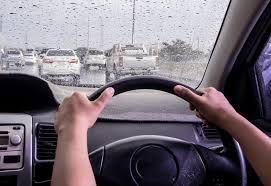
Florida drivers are no strangers to sudden downpours, tropical storms, and intense summer thunderstorms. One of the most important safe driving habits in the Sunshine State is maintaining a safe speed during bad weather. Even experienced drivers can underestimate how quickly rain can change road conditions.
When heavy rain begins to fall, oil and debris on the roadway rise to the surface, creating slick conditions. Hydroplaning becomes a real risk, especially at higher speeds. Driving at the posted speed limit may still be too fast when visibility is low and water is pooling on the pavement. Slowing down and increasing your following distance gives you more time to react and reduces the likelihood of losing control.
Hydroplaning can occur when tires lose contact with the road due to standing water. If it happens, sudden braking or steering can worsen the situation. Instead, ease off the accelerator and steer gently until traction returns. Practicing smooth and controlled movements is a key defensive technique in Florida’s frequent rainstorms.
Failing to adjust speed for weather conditions can result in a citation. Accumulating violations may add points to your driving record and increase insurance premiums. For eligible drivers, completing a Basic Driver Improvement course may help prevent points from being added. A 4 hour BDI is commonly chosen for minor moving violations and serves as a refresher on safe driving techniques.
In more serious situations, a driver may be assigned an 8 hour court ordered program or even an Advanced Driver Improvement course. A 12 hour ADI is typically required for more significant offenses or repeated violations. While no one plans to need these programs, they provide structured education focused on improving judgment and reinforcing responsible habits.
Even drivers without a recent citation can benefit from reviewing safe driving principles. Florida’s unique weather patterns demand consistent awareness and preparation. Taking proactive steps to adjust speed in storms protects your record, your wallet, and everyone sharing the road.
Maintaining a safe speed during heavy rain is one of the simplest yet most effective ways to prevent accidents and avoid costly consequences. For drivers seeking education or compliance support, GoToTrafficSchool.com helps drivers stay safe, skilled, and citation-free.