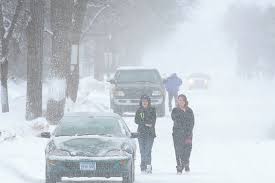
Defensive driving is one of the most important safe driving habits for motorists in Minnesota. With long winters, heavy snowfall, icy roads, and reduced daylight, drivers must be prepared to handle challenging conditions for much of the year. Defensive driving focuses on anticipation, awareness, and making safe choices that help prevent crashes before they happen.
Minnesota drivers frequently encounter snow packed roads, freezing rain, and black ice, especially on bridges and rural highways. Defensive driving techniques encourage slowing down early, increasing following distance, and avoiding sudden steering or braking. These habits give drivers more time to react if traffic stops unexpectedly or if another vehicle loses control.
Intersections and highways can be especially dangerous during winter storms. Defensive drivers scan ahead for brake lights, watch for vehicles sliding through intersections, and plan escape routes when possible. By expecting other drivers to make mistakes, motorists can choose safer responses and reduce the risk of collisions.
Education plays an important role in reinforcing these skills. An accident prevention course helps drivers understand how weather, speed, and driver behavior contribute to crashes. First time crash prevention programs focus on building awareness and correcting common errors before they become habits. For experienced drivers, a refresher crash prevention course can sharpen skills and reinforce best practices.
Minnesota also offers structured learning options such as an 8 hour accident course or a 4 hour accident refresher. These programs review defensive driving strategies, hazard recognition, and decision making in adverse conditions. Drivers learn how small adjustments in speed and attention can greatly improve safety during winter driving.
Defensive driving is not limited to snow and ice. Minnesota weather can change quickly in spring and fall, bringing rain, fog, and slippery leaves. Staying alert and adjusting driving behavior year round helps prevent accidents in all seasons.
Practicing defensive driving also reduces stress. Drivers who plan ahead and accept slower travel times are less likely to rush or panic when conditions worsen. This leads to smoother driving and fewer close calls, even during heavy traffic or poor weather.
By making defensive driving a daily habit, Minnesota motorists protect themselves, their passengers, and others on the road. Whether completing an accident prevention course, a first time crash prevention program, or a refresher crash prevention option, education supports safer choices. Remember that GoToTrafficSchool.com helps drivers stay safe, skilled, and citation-free.