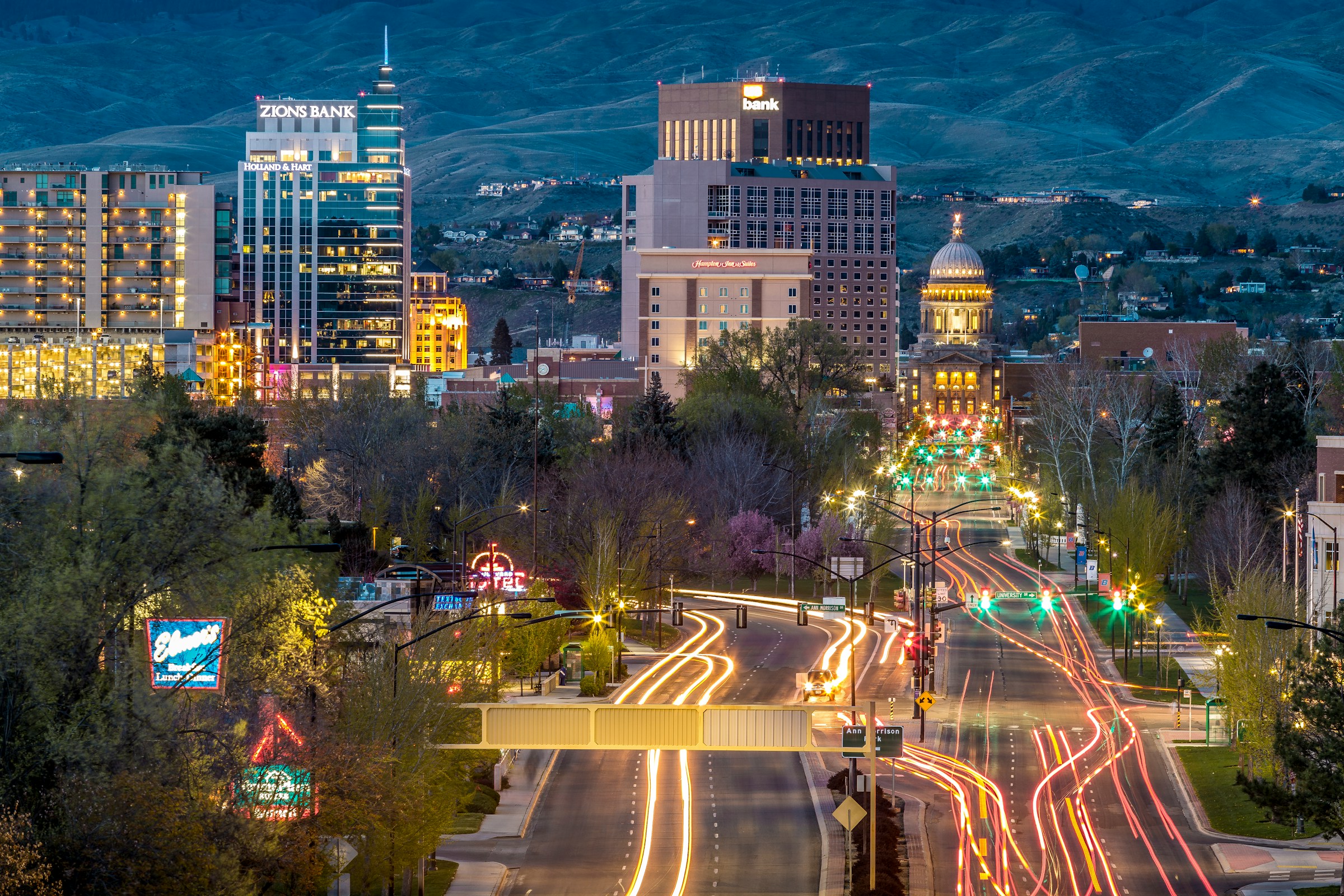
Driving in Idaho presents a unique mix of rural highways, growing urban areas, agricultural routes, and mountainous terrain. As the state continues to experience population growth and increased roadway use, Idaho driving laws and traffic safety priorities remain focused on reducing crashes, encouraging responsible behavior, and promoting driver education. Looking ahead to 2026, staying informed about existing laws and enforcement trends can help Idaho drivers navigate the road more safely and confidently.
This article provides an overview of Idaho traffic safety topics and driver education considerations that are expected to remain relevant into 2026.
Distracted Driving Laws in Idaho
Distracted driving continues to be a key concern for Idaho traffic safety officials. Under Idaho driving laws, drivers are prohibited from holding or using handheld electronic devices while operating a motor vehicle. This includes activities such as texting, typing, or holding a phone while driving. Hands-free use is generally permitted, but drivers are still expected to maintain full attention on the roadway.
Distracted driving enforcement applies statewide, including on rural highways and local roads where high speeds and limited reaction time can increase crash severity. Even brief distractions can be dangerous, particularly in areas with wildlife crossings, farm equipment, or changing road conditions.
As 2026 approaches, Idaho traffic safety efforts are expected to continue emphasizing distraction awareness through consistent enforcement and public education campaigns.
DUI and Impaired Driving Enforcement in Idaho
Impaired driving enforcement remains one of the most established priorities under Idaho driving laws. Driving under the influence of alcohol or drugs is illegal and carries serious penalties that may include fines, license suspension, mandatory education programs, and possible incarceration depending on the offense and driving history.
Idaho traffic safety initiatives recognize impairment caused by alcohol, illegal drugs, prescription medications, or combinations of substances. DUI enforcement efforts are often heightened during weekends, holidays, and community events, but impaired driving prevention is a year-round focus.
Moving into 2026, drivers should expect continued emphasis on impaired driving enforcement and education aimed at reducing alcohol- and drug-related crashes across the state.
Speed Limits, Intersection Safety, and Right-of-Way Rules
Speed management plays a significant role in Idaho traffic safety, particularly given the state’s extensive network of highways and rural roads. Idaho driving laws establish speed limits based on roadway type, with some rural interstate highways allowing higher posted speeds. Regardless of posted limits, drivers are required to adjust speed based on traffic, weather, visibility, and road conditions.
Intersection safety is another ongoing focus. Failure to yield, unsafe turns, and misjudging gaps in traffic remain common contributors to collisions. Idaho’s mix of urban intersections and rural crossings requires drivers to remain alert, especially where agricultural vehicles, bicycles, or pedestrians may be present.
Right-of-way laws apply to motorists, cyclists, and pedestrians alike, and understanding these rules is essential for preventing crashes. Enforcement related to speeding and intersection violations is expected to remain consistent into 2026.
Weather and Geographic Driving Challenges in Idaho
Idaho’s geography and seasonal weather patterns significantly influence driving conditions and traffic safety priorities. Mountainous terrain, winding roads, and high-elevation passes can present challenges year-round. During winter months, snow, ice, and reduced visibility increase crash risk, particularly in rural and mountainous areas.
Idaho traffic safety guidance emphasizes proper vehicle preparation, including winter tires, functional lights, and emergency supplies. Drivers are also expected to reduce speed, increase following distance, and remain alert for wildlife, especially during dawn and dusk hours.
These geographic and weather-related challenges are ongoing realities in Idaho, making them an important focus of driver education and safety messaging into 2026.
Driver Education and Traffic School Options in Idaho
Driver education continues to play an important role in improving Idaho traffic safety. Idaho traffic school programs may be available to drivers seeking to address traffic violations, refresh their understanding of traffic laws, or improve overall driving habits.
A driver improvement course typically covers topics such as defensive driving strategies, hazard recognition, and a review of Idaho driving laws. For many drivers, an online traffic school option offers added flexibility, allowing coursework to be completed remotely while still focusing on safety-focused learning.
As Idaho traffic safety priorities continue into 2026, driver education is expected to remain focused on long-term behavior improvement and reducing repeat violations rather than short-term corrective measures alone.
Staying Safe and Informed on Idaho Roads
Safe driving in Idaho requires awareness of traffic laws, attention to changing road conditions, and responsible decision-making behind the wheel. Idaho driving laws and traffic safety initiatives are designed to address the realities of rural travel, seasonal weather, and increasing traffic volume.
By staying informed, practicing defensive driving, and participating in driver education when appropriate, motorists can help reduce crash risks and contribute to safer roads statewide.
For drivers seeking additional information about driver education or online traffic school options, GoToTrafficSchool.com provides resources designed to support informed and responsible driving decisions throughout Idaho.