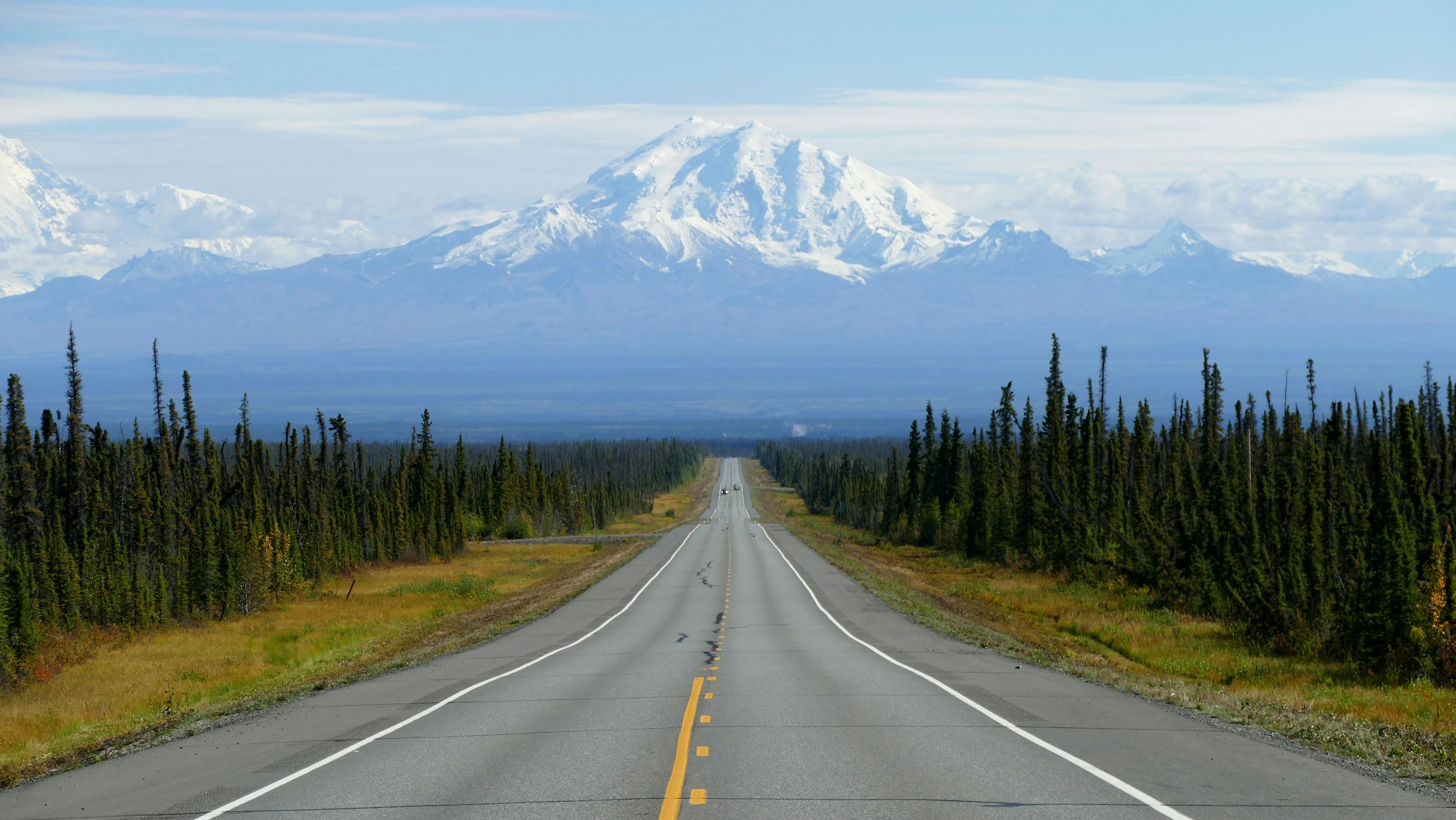
As Alaska moves into 2026, safe driving remains a priority for residents and visitors alike. Alaska driving laws are shaped by a combination of rural roadways, extreme weather, long travel distances, and urban traffic centers such as Anchorage, Fairbanks, and Juneau. While major legislative overhauls are not always frequent, enforcement priorities and traffic safety initiatives continue to evolve. Staying informed helps drivers reduce risk, comply with Alaska traffic safety expectations, and make better decisions behind the wheel.
This overview highlights key areas of Alaska driving laws and driver education topics that are expected to remain relevant in 2026.
Distracted Driving Laws in Alaska
Distracted driving continues to be a significant traffic safety concern nationwide, and Alaska is no exception. Alaska driving laws currently prohibit texting while driving, making it illegal for drivers to read, write, or send text messages while operating a motor vehicle. Handheld electronic device use can still pose safety risks even when certain uses are permitted, and law enforcement agencies routinely emphasize distraction as a contributing factor in crashes.
In 2026, Alaska traffic safety efforts are expected to continue focusing on reducing distracted driving through public awareness campaigns and consistent enforcement. Drivers are encouraged to use hands-free options when available and to minimize any activity that takes attention away from the road. Distraction-related violations can result in fines and points on a driving record, making awareness and compliance an important part of responsible driving.
DUI and Impaired Driving Enforcement
Impaired driving enforcement remains one of the most established and ongoing priorities under Alaska driving laws. Driving under the influence of alcohol or drugs is illegal and carries serious consequences, including fines, license suspension, mandatory education programs, and possible jail time depending on the offense.
Alaska traffic safety initiatives consistently emphasize sobriety checkpoints, patrols during high-risk periods, and education about the dangers of impaired driving. Impairment can involve alcohol, illegal drugs, prescription medications, or a combination of substances. In rural areas and during seasonal travel, impaired driving can be especially dangerous due to limited lighting, wildlife crossings, and fewer emergency resources.
Looking into 2026, drivers should expect continued enforcement of existing DUI laws and ongoing emphasis on prevention through education and accountability.
Intersection Safety, Speed Limits, and Right-of-Way Laws
Intersections and speed management are critical components of Alaska traffic safety. Speed limits vary widely across the state, from urban roads and residential areas to highways connecting remote communities. Alaska driving laws require drivers to obey posted speed limits and adjust their speed for road, traffic, and weather conditions.
Right-of-way rules are particularly important at intersections, roundabouts, and uncontrolled crossings. Failure to yield remains a common cause of collisions. In Alaska’s urban centers, intersection safety efforts often focus on pedestrian awareness, while rural areas emphasize visibility and cautious approaches.
In 2026, drivers should continue to expect enforcement related to speeding, failure to yield, and unsafe passing. Maintaining awareness of right-of-way rules and adjusting driving behavior accordingly remains a key safety practice.
Weather and Geographic Driving Challenges in Alaska
Few states present the same driving challenges as Alaska. Weather and geography play a major role in shaping Alaska driving laws and safety expectations. Snow, ice, freezing rain, fog, and limited daylight during winter months can significantly increase crash risk.
Alaska traffic safety guidance consistently stresses the importance of proper vehicle maintenance, including winter tires, functional headlights, and emergency supplies. Drivers are also expected to adjust speed and following distance during adverse conditions. In remote areas, limited cell service and long distances between services require additional planning and caution.
These weather-related challenges are not seasonal anomalies but ongoing realities, making them a continued focus for driver education and enforcement into 2026.
Driver Education and Traffic School Options
Driver education remains an essential tool for improving safety and reducing repeat violations. Alaska traffic school programs may be used by drivers seeking to refresh their knowledge, comply with court requirements, or improve overall driving habits. Topics often include defensive driving strategies, hazard recognition, and updates on Alaska driving laws.
An online traffic school option offers flexibility for drivers who may not have easy access to in-person courses due to Alaska’s size and geography. Online traffic school programs allow participants to complete a driver improvement course at their own pace while covering the same core safety concepts.
In 2026, driver education is expected to remain focused on practical risk reduction, accountability, and reinforcing safe driving behaviors that align with Alaska traffic safety priorities.
Staying Safe and Informed on Alaska Roads
Safe driving in Alaska requires more than knowing the rules, it requires ongoing awareness, adaptability, and education. Alaska driving laws, traffic safety enforcement, and driver education initiatives are designed to address real-world risks that drivers face every day. By staying informed, practicing defensive driving, and making responsible choices, motorists can help contribute to safer roads across the state.
For drivers interested in learning more about traffic safety education or exploring online traffic school options, GoToTrafficSchool.com provides informational resources designed to support safe and informed driving decisions.