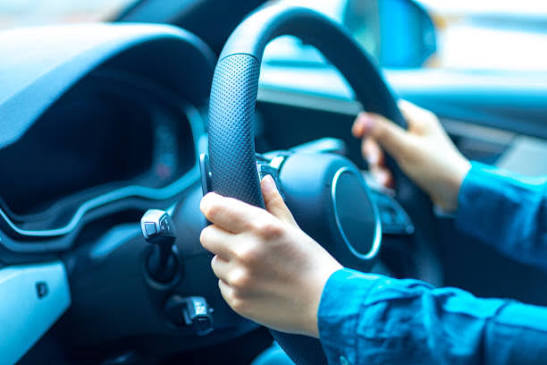
Distracted driving occurs when a driver takes their eyes, hands, or attention away from driving, increasing the risk of a crash. Phones are a major concern, but eating, talking with passengers, and adjusting navigation systems can also distract drivers.
The National Highway Traffic Safety Administration (NHTSA) reports that 3,208 people died in crashes involving distracted drivers in 2024, and 315,167 people were injured. These figures show why drivers need to recognize distractions and take steps to prevent them.
What Are the Three Types of Distracted Driving?
Distracted driving generally falls into three categories. Some activities involve all three at once.
-
Visual distraction: Taking your eyes off the road.
-
Manual distraction: Taking your hands off the steering wheel.
-
Cognitive distraction: Taking your mind off driving.
Reading a text, for example, requires you to look at a screen, handle your phone, and think about the message instead of traffic. That combination makes texting especially dangerous.
Even when your eyes remain on the road, a conversation or stressful thought can pull your attention away from changing traffic conditions. Safe driving requires you to watch, think, and react to what is happening around you.
How Dangerous Is Texting While Driving?
Texting is one of the most dangerous forms of distracted driving because it combines visual, manual, and cognitive distractions.
NHTSA explains that sending or reading a text takes your eyes off the road for about five seconds. At 55 mph, a vehicle travels roughly 400 feet in that time—about the length of a football field. A lot can happen in that distance, including sudden braking, a pedestrian entering a crosswalk, or a vehicle changing lanes.
You may also see the claim that texting drivers are 23 times more likely to experience a crash. That figure comes from an older study of commercial truck drivers. It refers to the risk of a crash, near-crash, or other safety-critical event compared with uneventful driving—not a universal estimate that every driver who texts is 23 times more likely to crash. It should be presented with that context.
The practical lesson remains the same: do not read, write, or send messages while driving. A message can wait until you reach your destination or stop somewhere safe.
Can Eating or Talking to Passengers Distract You?
Yes. Distracted driving is not limited to phone use.
Eating and Drinking
Opening food packaging, reaching for a drink, or trying to clean up a spill can take your hands and attention away from driving. Looking down to find a dropped item can also cause you to miss a hazard.
Eat before leaving or wait until you are safely parked. If you drop something, do not reach for it while the vehicle is moving.
Passengers and Conversations
Passengers can create distractions by arguing, playing loud music, asking the driver to look at something, or engaging them in an intense conversation.
Drivers should set expectations before starting a trip. Passengers can help by keeping conversations manageable and handling tasks such as navigation when appropriate.
New drivers may need extra support because they are still building driving experience. The safest approach is to keep the cabin calm and give the driver room to focus.
Adjusting Controls
Changing music, adjusting climate controls, searching through a bag, or reaching into the back seat can take attention away from the road. Set up your vehicle before moving, and pull over safely if something needs your attention.
Can GPS and Navigation Systems Cause Distracted Driving?
Yes. Navigation systems can help you find your destination, but interacting with them while driving can create a distraction.
Entering an address, searching for a different route, reading a map, or repeatedly checking the screen can take your eyes and attention away from traffic.
Before leaving:
-
Enter your destination and review the route.
-
Mount your phone where it does not block your view.
-
Set audio directions if they help you navigate without looking at the screen.
-
Ask a passenger to help with directions when possible.
-
If you need to change your route, pull over in a safe and legal location first.
Voice controls and hands-free features can reduce the need to handle a device, but they do not eliminate cognitive distraction. Keep your focus on driving, even when your device allows hands-free interaction.
How Can You Prevent Distracted Driving?
The most effective strategy is to handle non-driving tasks before you start moving.
Use these habits on every trip:
-
Put your phone away. Silence notifications and place the device out of reach. Use a driving mode or app setting that limits interruptions.
-
Plan your route. Set navigation, music, and climate controls before leaving.
-
Avoid multitasking. Do not eat, read messages, or search for items while driving.
-
Ask passengers for help. Let them handle directions or other tasks that do not require your attention.
-
Pull over when necessary. Stop in a safe, legal place before handling a task that requires your eyes or hands.
-
Speak up as a passenger. If the driver is distracted, politely ask them to focus on the road.
-
Set a good example. Parents and experienced drivers can help young drivers build phone-free habits.
The Centers for Disease Control and Prevention (CDC) recommends doing tasks such as selecting music, adjusting mirrors, eating, and reading messages before or after a trip—not while driving.
What Are the Laws Against Distracted Driving?
Distracted driving laws vary by state. Many states restrict texting or handheld phone use, while some have additional rules for novice drivers and other groups.
Penalties may include fines or other consequences, depending on the state and the violation. Do not assume that hands-free use is legal in every situation or that the same rules apply everywhere.
Check your state's current laws through the Governors Highway Safety Association or your state motor vehicle agency. Follow any restrictions that apply to learner's permits and provisional licenses.
People Also Ask
How many people die from distracted driving each year?
NHTSA reports that 3,208 people died in U.S. crashes involving distracted drivers in 2024. The number changes from year to year, and distraction may be underreported in crash investigations.
Is talking on a hands-free phone safe while driving?
Hands-free use avoids some manual and visual demands, but a conversation can still take your mind off driving. The safest choice is to avoid phone conversations when you need to concentrate on traffic.
Is eating while driving illegal?
The answer depends on state and local laws. Even where eating is not specifically prohibited, it can still distract you and contribute to unsafe driving.
What should you do if you need to use your phone while driving?
Wait until you can pull over somewhere safe and legal and park. Do not stop in a travel lane or use a shoulder unless it is appropriate and safe for the situation.
Where to Verify Current Information
Use these official resources to check distracted driving statistics, prevention guidance, and applicable laws:
-
NHTSA — Distracted Driving Dangers and Statistics: National statistics, definitions, and safety guidance.
-
NHTSA — Distracted Driving in 2024: Detailed federal crash data for 2024.
-
CDC — What You Can Do to Prevent Distracted Driving: Practical prevention steps for drivers, passengers, and parents.
-
Governors Highway Safety Association — Distracted Driving: State-level distracted driving law information.
Bottom Line
Distracted driving can involve a phone, food, passengers, navigation systems, or any activity that takes attention away from the road. NHTSA recorded 3,208 deaths in crashes involving distracted drivers in 2024, making distraction a serious road safety concern.
Put your phone away, prepare your route before driving, and handle other tasks only when safely parked. Keeping your attention on the road helps protect you, your passengers, and everyone sharing it.
Sources & References
-
National Highway Traffic Safety Administration. Distracted Driving Dangers and Statistics.
-
National Highway Traffic Safety Administration. Distracted Driving in 2024.
-
Centers for Disease Control and Prevention. What You Can Do to Prevent Distracted Driving.
-
National Highway Traffic Safety Administration. Countermeasures That Work: Distracted Driving.
-
Governors Highway Safety Association. Distracted Driving Laws.
-
GoToTrafficSchool. Official Website.