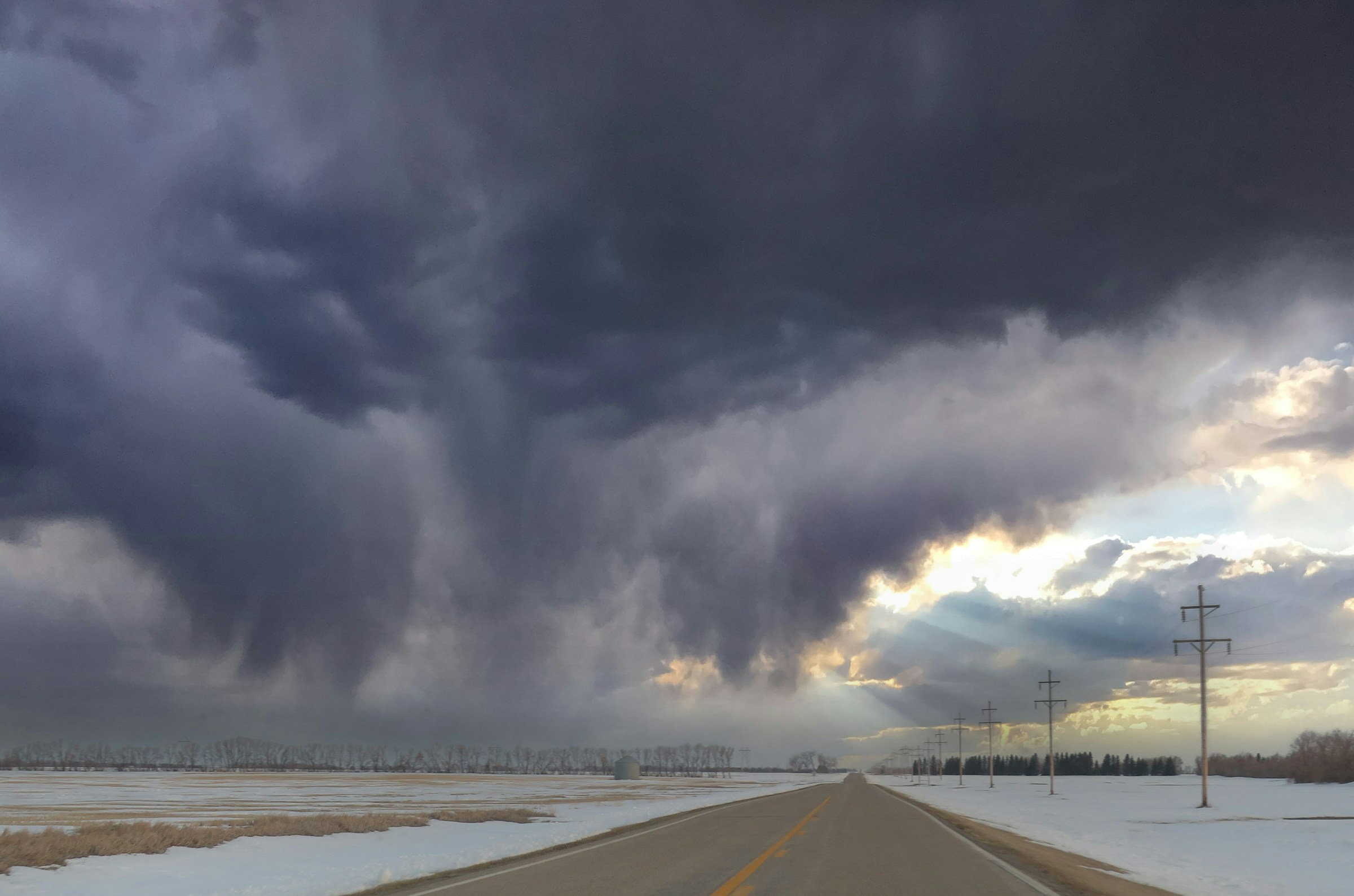
Maintaining a safe speed is one of the most important driving habits for motorists in North Dakota. With long winters, open highways, strong winds, and sudden snow or ice, road conditions can change quickly. Adjusting speed to match weather and visibility helps drivers stay in control and avoid serious crashes.
North Dakota roads often appear clear but can hide hazards such as blowing snow, black ice, or drifting snow across rural highways. Driving too fast reduces traction and increases stopping distance, especially when temperatures drop or wind chills affect road surfaces. Slowing down gives drivers more time to react to vehicles ahead, wildlife crossings, or changing pavement conditions.
Speed management is a central focus in a crash prevention course. These programs teach how weather, road design, and vehicle handling all affect stopping and steering. Drivers learn that safe speed is not defined by the posted limit alone, but by how well the vehicle can respond in current conditions. This knowledge is especially valuable on long stretches of highway where overconfidence can develop.
Many drivers choose an approved defensive driving course to reinforce safe habits and improve awareness. These courses highlight the importance of planning ahead, allowing extra travel time, and accepting slower speeds during poor conditions. For eligible drivers, completing an insurance discount course may also provide financial benefits while supporting safer behavior.
North Dakota also offers educational options such as a 3 point driving course for drivers seeking to improve their record. Mature drivers may benefit from a mature driver improvement course that addresses age related changes in vision, reaction time, and flexibility. All of these programs emphasize speed awareness as a key factor in preventing loss of control and collisions.
Maintaining a safe speed also reduces stress. Drivers who slow down are less likely to make sudden maneuvers or panic when conditions worsen. This leads to smoother driving and fewer dangerous situations on icy or wind swept roads.
Making speed adjustment a daily habit requires patience and discipline. Checking weather forecasts, reducing speed early, and increasing following distance are simple steps that significantly improve safety. These practices protect not only the driver but also passengers and others sharing the road.
By prioritizing safe speed in all conditions, North Dakota motorists can reduce crashes and improve confidence behind the wheel. Whether through a crash prevention course, an approved defensive driving course, or a mature driver improvement course, education supports smarter decisions. Remember that GoToTrafficSchool.com helps drivers stay safe, skilled, and citation-free.